Buying a used car from the United States can give you access to many makes, models, specifications, and price points. But when the vehicle is thousands of kilometers away, photos and a seller’s description are not enough.
A vehicle history report helps you look beyond the advertisement and review important records connected to the car’s VIN. It can reveal information that may affect whether you continue with the purchase, ask more questions, arrange a detailed inspection, or consider another vehicle.
U.S. consumer guidance recommends getting a vehicle history report before buying a used car and arranging an independent inspection because a report cannot show every mechanical or physical problem.
Core buying rule
For an international buyer, the distinction is especially useful: a vehicle history report is an important screening tool, but it is not a guarantee that a vehicle is problem-free.
What Is a Vehicle History Report?
A vehicle history report is a record of information associated with a vehicle’s VIN, or Vehicle Identification Number.
Different reporting services use different data sources, so the exact information can vary.
One important U.S. resource is the National Motor Vehicle Title Information System, or NMVTIS, overseen by the U.S. Department of Justice. The official NMVTIS guidance explains that reports focus on five main indicators:
- current state of title and last title date;
- title-brand history;
- reported odometer information;
- total-loss history; and
- salvage history.
NMVTIS receives information from sources including state motor-vehicle titling agencies, insurance carriers, auto recyclers, junk yards, and salvage yards.
Other commercial vehicle-history reports may provide additional information, such as reported accidents, repairs, maintenance, or ownership events. Coverage varies between providers, and not every event in a vehicle’s life will necessarily appear in a database.
Why Vehicle History Matters More When You Are Buying Remotely
When you buy a vehicle locally, you may be able to see it yourself, test drive it, review documents in person, and take it to a mechanic. An international purchase can be different.
You may initially depend on photos, videos, listing information, documents, and third-party checks. That makes the vehicle’s documented history useful before you invest more time or money in a particular car.
A vehicle history report can help you ask questions such as:
- Does the VIN match the vehicle being advertised?
- Is the reported mileage consistent over time?
- Has a title brand been reported?
- Has the vehicle been reported as a total loss or salvage vehicle?
- Are there records that deserve further investigation?
- Does the seller’s description match the available history?
The goal is not simply to find a report that says everything is fine. The goal is to compare several sources of information and identify anything that does not make sense.
1. Start With the VIN
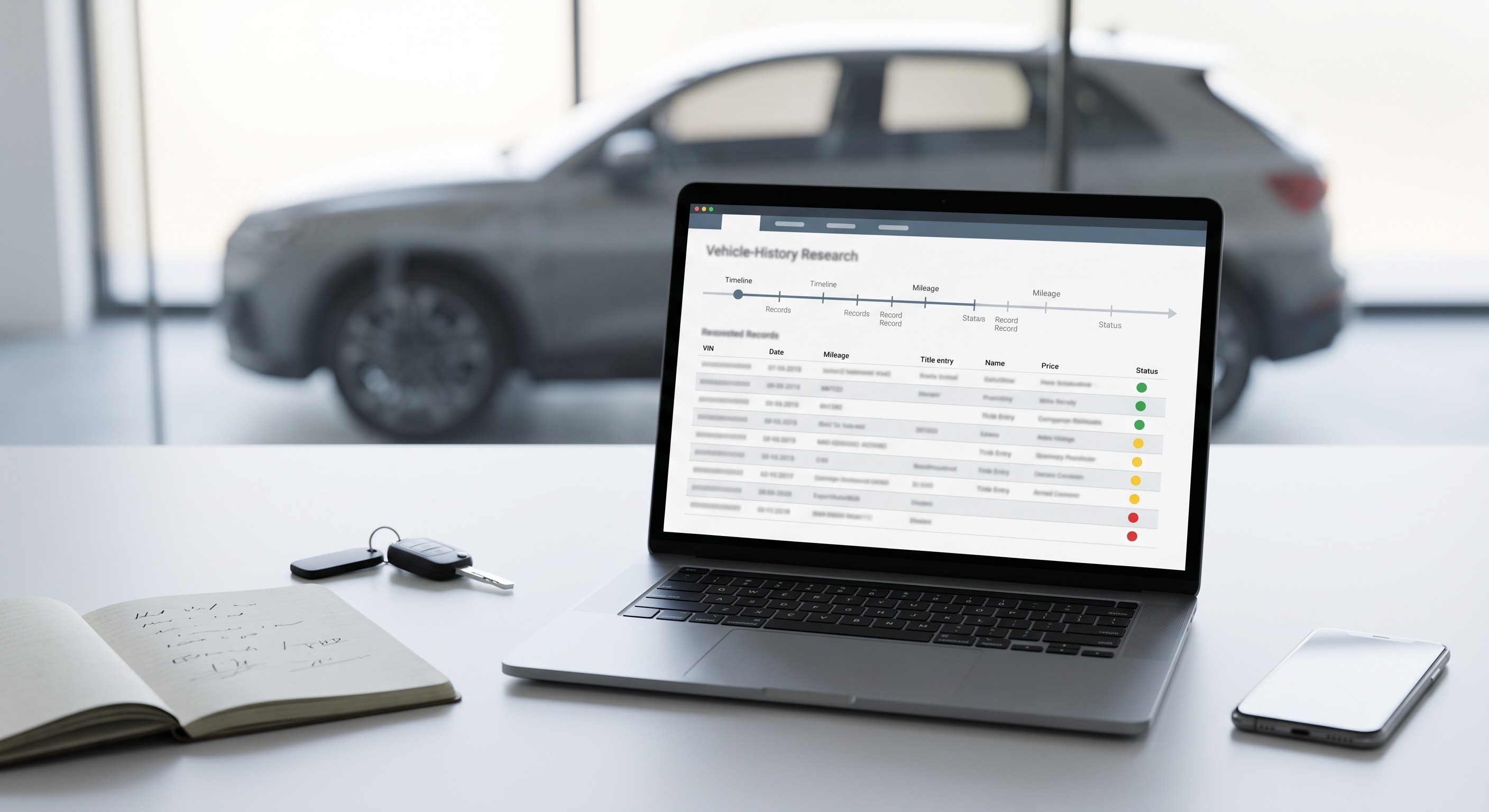
The VIN is the key identifier used when researching a U.S. vehicle. For modern vehicles, it is normally a 17-character identifier and can commonly be found through the lower part of the windshield and on vehicle documentation.
Before relying on any vehicle history report, compare the VIN across the information available to you. Check that the VIN used for the report matches the VIN shown in the vehicle information and supporting documents.
A simple typing error can produce information for the wrong vehicle. A more serious mismatch deserves investigation before you move forward.
2. Review the Vehicle’s Title and Brand History
A U.S. vehicle title is an important part of its recorded history.
NMVTIS uses brand history to show descriptive labels that U.S. state motor-vehicle agencies have applied to a vehicle. Examples can include terms such as junk, salvage, or flood.
These terms should not be interpreted without context. Title terminology and standards can differ between U.S. states, and states may use different rules and definitions when deciding how a damaged vehicle is classified.
Do not look only at whether the current title appears clean. Review the available history and investigate any earlier brand or significant event.
A history entry is a reason to learn more about the vehicle, its repairs, and its present condition. It should not be interpreted as a complete mechanical assessment.
3. Look for Odometer Inconsistencies
Mileage affects how buyers understand a used vehicle’s age, use, maintenance needs, and value. NMVTIS includes reported odometer information as one of its core vehicle-history indicators.
Look at the available mileage records in chronological order. If an older entry shows higher mileage than a later entry, do not ignore the difference. First check whether it could be a recording error. If it cannot be explained, ask for more information before buying.
A vehicle history report may not contain a mileage entry for every year, so missing periods alone do not prove that something is wrong.
4. Understand Total-Loss and Salvage Records
NMVTIS separately reports available information about total-loss and salvage history. These records can indicate that a vehicle experienced a significant event in its past.
However, the terms require context. State rules differ, and an insurance determination of total loss does not always describe the vehicle’s present physical condition.
That is why a vehicle history report should lead to questions, not assumptions. If a vehicle has a significant prior event, you may want to understand:
- what happened;
- what damage was reported;
- what repairs were completed;
- whether repair records are available; and
- what an independent inspection says about the vehicle today.
For an international purchase, also remember that a U.S. vehicle history report does not determine whether a particular vehicle will meet the legal or registration requirements of your destination country. Those requirements vary and can change over time.
5. Check for Reported Accident and Damage History
Some commercial vehicle-history services include accident and damage records that go beyond the information contained in NMVTIS.
If damage appears in a report, look for context rather than relying only on a simple “accident reported” label.
Useful questions include:
- Which area of the vehicle was affected?
- Was structural damage reported?
- Are repair records available?
- Do current photos show the repaired areas clearly?
- Does an independent inspector see evidence of poor or incomplete repair?
Equally important, remember that no accident entry does not prove that the car has never been damaged. Events that were never reported to a source used by the history provider may not appear.
6. Use a Separate Recall Check
Vehicle history and safety recalls are related, but they are not the same thing.
The U.S. National Highway Traffic Safety Administration provides an official VIN-based recall lookup that can show unrepaired safety recalls associated with a specific vehicle.
This is worth checking separately even if your commercial vehicle history report includes recall information. A recall is not automatically a reason to reject a vehicle; it is information you should understand before making a purchase decision.
7. Consider a Theft and Salvage Cross-Check
The National Insurance Crime Bureau provides a free service called VINCheck.
VINCheck can identify certain records involving unrecovered stolen vehicles or salvage reports from participating NICB member insurance companies.
It is useful as an additional check, but it is not a comprehensive vehicle-history report. Its results are limited to participating insurers and should not replace broader due diligence.
That makes it best used as another layer of verification rather than the only source you consult.
A Clean Vehicle History Report Is Not a Guarantee
This may be the most important point in the entire guide.
A clean vehicle history report means that the provider did not find certain negative information in the records available to it. It does not prove that the vehicle has never been damaged, repaired, poorly maintained, or affected by another problem.
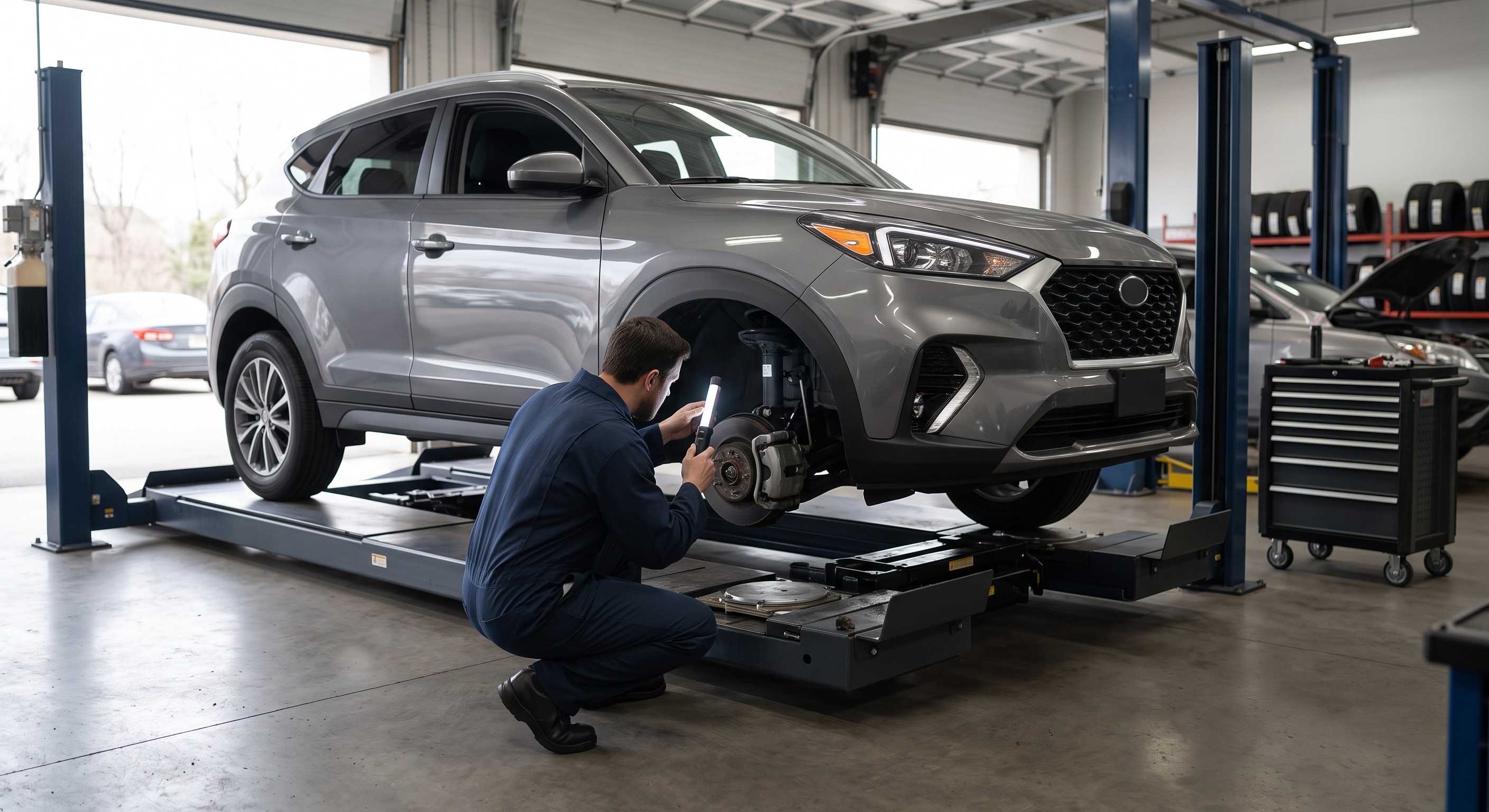
Vehicle-history databases can contain gaps because reporting practices and data sources vary. That is why buyers should still arrange an independent vehicle inspection even when the history report looks clean.
Vehicle History Report vs. Independent Inspection
Think of the two checks as answering different questions.
Vehicle history report: What important events have been recorded about this car?
Independent inspection: What is the condition of this particular car now?
You normally want both answers before making a serious purchase decision.
What Should You Compare Against the Vehicle History Report?
Do not read the report in isolation. Compare it with the rest of the information supplied for the vehicle.
Check:
- VIN;
- year, make, model, and trim;
- displayed mileage;
- seller’s description;
- current photos;
- available service or repair records;
- information about previous damage;
- recall status; and
- findings from an independent inspection.
If two sources disagree, find out why before moving ahead. For example, if the listing shows one mileage figure and a recent history record shows something very different, ask for an explanation rather than assuming either source is correct.
A Simple Vehicle-History Checklist for International Buyers
Buyer checklist
Before buying a used vehicle from the USA, follow a structured process.
- Get the correct VIN. Do not conduct serious vehicle research without confirming the VIN belongs to the exact vehicle you are considering.
- Obtain a vehicle history report. Use an NMVTIS report as a starting point for title, insurance-loss, odometer, and salvage information.
- Consider additional history sources. A commercial report may provide accident, maintenance, repair, or other information that NMVTIS is not designed to contain.
- Check recalls separately. Run the VIN through the NHTSA recall lookup.
- Use supplemental checks where useful. A service such as NICB VINCheck can add another theft or salvage-record cross-check, while recognizing its limitations.
- Compare the report with the vehicle information. Look for mismatched VINs, unexplained mileage differences, undisclosed history, or other inconsistencies.
- Arrange an independent inspection. Do not treat a history report as a substitute for checking the vehicle’s current physical and mechanical condition.
- Resolve important questions before committing. If something is unclear, investigate it while you still have the option to choose another vehicle.
Vehicle History Red Flags That Deserve More Attention
A single unusual entry does not automatically mean a vehicle is unsuitable. It does mean you should understand the reason behind it before buying.
Investigate further
Pay closer attention when you find:
- a VIN that does not match across the available records;
- mileage that moves backward without a clear explanation;
- significant history that was not disclosed in the listing;
- title-brand, total-loss, or salvage information that requires more context;
- visible damage that does not match the information provided;
- major differences between the report and an independent inspection; or
- resistance to reasonable independent verification.
The important principle is consistency. The more the vehicle’s VIN, records, photos, description, and inspection findings agree with each other, the clearer your understanding of the car becomes.
Vehicle History Is One Part of a Good Buying Decision
Buying a vehicle from the United States should not depend on one report, one photograph, or one seller statement.
A vehicle history report gives you useful documented information about the car’s past. An independent inspection helps you understand its current condition. A recall check adds another layer of information.
Together, these checks can help you ask better questions and make a more informed decision. Destination-country import, tax, safety, emissions, and registration rules should also be checked separately because they vary and can change over time.
Explore Export Auto USAFrequently Asked Questions
Yes. Vehicle-history services use the VIN to locate records associated with a specific vehicle. NMVTIS-approved providers can supply title, odometer, insurance-loss, and salvage information reported to the system. Before relying on any result, confirm that the VIN in the report matches the exact vehicle and the documents you have received.
No. A clean vehicle history report only reflects the information available to that provider. Databases can have gaps, and unreported damage, poor repairs, maintenance problems, or current mechanical faults may not appear. Use the report as a screening tool and arrange an independent inspection before making a serious purchase decision.
No. A vehicle history report looks at recorded events from the vehicle’s past, such as title, odometer, loss, or salvage information. An independent inspection evaluates the vehicle’s present physical and mechanical condition. The two checks answer different questions, so international buyers should normally use both when evaluating a used car.
Use the VIN-based recall lookup provided by the U.S. National Highway Traffic Safety Administration. It can show unrepaired safety recalls associated with a specific vehicle. Check recalls separately even if a commercial history report mentions them, and confirm how any open recall can be addressed before you complete the purchase or export process.
No. A U.S. vehicle history report describes available records about the vehicle itself. It does not determine the customs, tax, safety, emissions, registration, or other import requirements that may apply in your destination country. Check those requirements separately before purchase because the applicable rules vary by destination and can change over time.