Buying a used car in the USA for export is harder when you are thousands of kilometers away. Photos and seller descriptions can help, but they do not replace checking the exact vehicle, its records, and its current condition.
The safest approach is to build the decision from several checks: verify the VIN, review recorded history and title information, look for open recalls, inspect the physical and mechanical condition, and confirm that the ownership documents can support export.
Core safety rule
Check the exact vehicle before you agree to buy it.
No single report, photo set, seller statement, or short video can tell you everything about a used car. The strongest process combines records with a current-condition inspection and, when practical, an independent pre-purchase inspection.
This guide explains what international buyers should check before purchasing a used car in the USA for export, including the extra document and destination questions that matter after the vehicle leaves the United States.
Important
This article provides general educational information. Export requirements and import or registration rules can depend on the vehicle, documents, export method, destination, and applicable regulations. Confirm the current requirements for your specific transaction before buying.
Buying a Used Car in the USA for Export: Start With the VIN
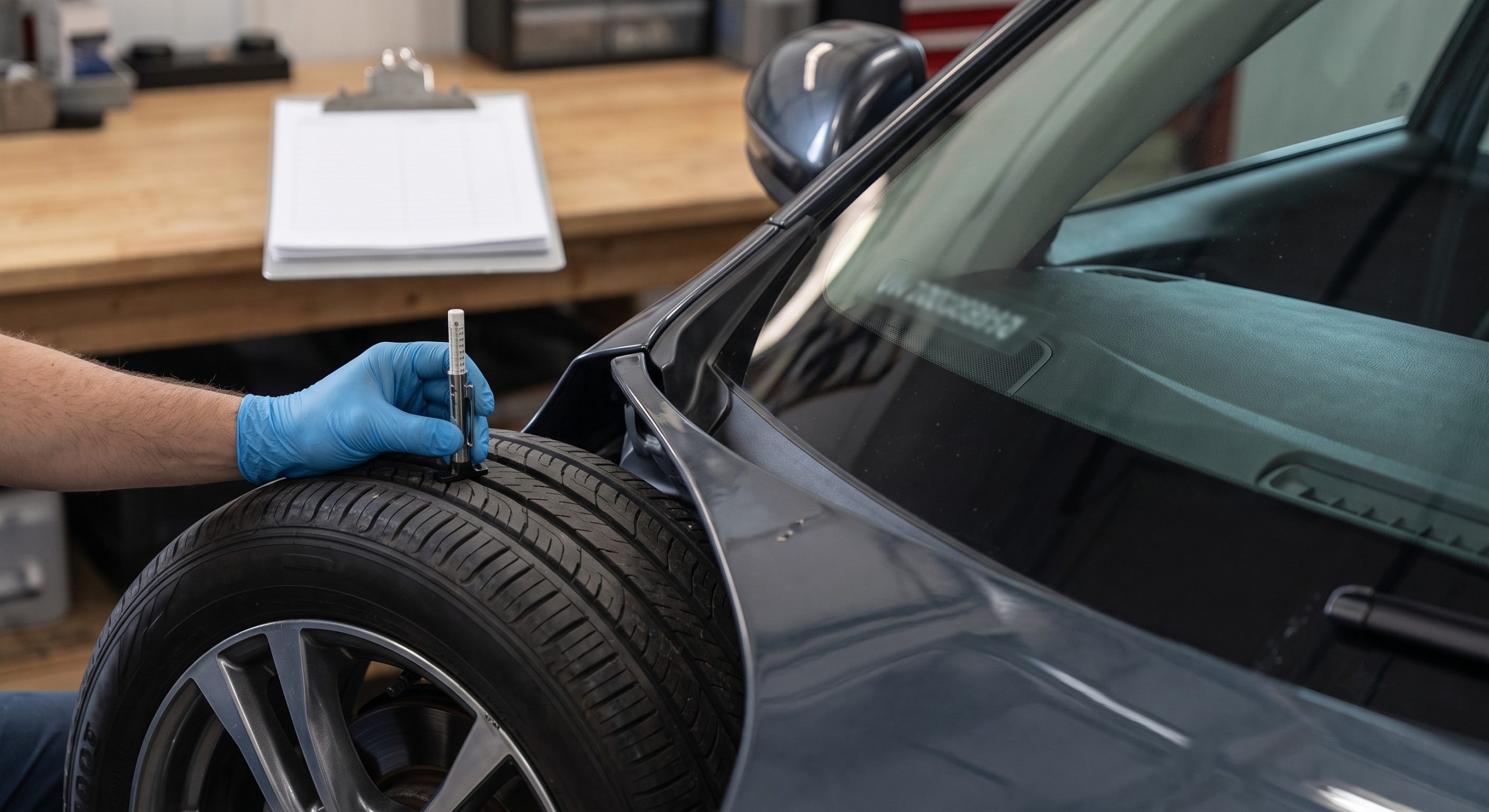
The Vehicle Identification Number, or VIN, connects the physical vehicle to its records. For most modern U.S.-market vehicles, it is a 17-character identifier.
When buying a used car in the USA for export, ask for the VIN before spending money on inspections, inland transport, or other purchase steps. Then compare it across the vehicle and the records available to you.
Compare the VIN with:
- the VIN visible on the vehicle;
- the seller’s listing;
- title or ownership documents available for review;
- vehicle-history information;
- service or maintenance records where the VIN is shown.
A simple typing error should be investigated. A more serious mismatch is a reason to stop and verify the vehicle before proceeding. For a remote buyer, this is one of the earliest checks you can complete without being physically present.
Check the Vehicle’s Title and Recorded History
A vehicle can look excellent in photographs and still have a history that changes how you evaluate it. Review available title information and a reputable vehicle-history report before treating the listing description as complete.
Recorded information may help you identify title brands, reported mileage events, salvage or total-loss history, or other items that deserve explanation. Do not treat a history report as a mechanical inspection.
A database only shows what was reported to it. Repairs, maintenance, accidents, or mechanical problems may be missing, so compare recorded history with the vehicle’s present condition.
Look for inconsistencies, not just a “clean” report
Ask more questions when you see:
- a title brand you do not understand;
- unexpected changes or gaps in reported mileage;
- salvage, total-loss, or flood-related history;
- details that conflict with the seller’s description;
- long periods with little supporting information;
- physical evidence that does not fit the documented history.
A history report is most useful when it helps you decide what the inspector should examine more closely.
Check for Open Safety Recalls
Use the VIN to check for unrepaired safety recalls before buying. The NHTSA recall lookup is a useful starting point, and the manufacturer can help if the result is unclear or a recent recall is involved.
If an open recall appears, find out:
- what the recall involves;
- whether the repair has already been completed but is not yet reflected in the available record;
- whether a remedy is currently available;
- whether the issue changes what should happen before the vehicle leaves the United States.
The point is not simply to collect another report. It is to understand whether an unresolved safety issue affects your buying decision or export plan.
Ask for Maintenance and Repair Records
Service history can help you understand how the vehicle was maintained and whether major repairs fit the seller’s description.
Useful records may include:
- oil and fluid services;
- brake work;
- tire replacement;
- battery replacement;
- transmission or drivetrain repairs;
- cooling-system work;
- manufacturer-recommended maintenance;
- documented collision repairs.
Missing records do not automatically mean a car is bad. Many legitimate repairs never appear in a central database. What matters is whether the available records, mileage, condition, and seller’s explanation tell a consistent story.
Inspect the Exterior in Good Light
Listing photographs are only a starting point. The vehicle should be inspected closely enough to identify signs of previous damage, corrosion, poor repairs, or neglect.
Check:
- paint color and finish across different panels;
- uneven gaps between body panels;
- dents, cracks, scratches, and corrosion;
- glass for chips or cracks;
- headlights, exterior lights, mirrors, and bumpers;
- door, hood, and trunk alignment;
- signs of water intrusion;
- damage underneath the vehicle where visible.
Fresh paint is not automatically a problem. A repaired panel may be acceptable. The important questions are why it was repaired and whether the repair was done properly.
Check the Tires, Wheels, Brakes, and Undercarriage
Tires can reveal more than remaining tread, and the underbody is easy to miss in ordinary sales photos.
Look for:
- uneven tire wear;
- sidewall damage;
- different tire types or sizes where they should match;
- bent or heavily damaged wheels;
- visible brake wear or damage;
- rust, impact damage, or fluid leaks underneath;
- visible damage to suspension or steering components.
Uneven wear can point to alignment, suspension, or maintenance issues that deserve a closer look. If you cannot see the vehicle yourself, ask specifically for undercarriage photographs or clear inspection notes.
Check the Engine Bay and Watch a Cold Start
When practical, ask the inspector or seller not to warm the vehicle before the initial check. A cold start can make some starting, smoke, noise, or idle problems easier to notice.
During the inspection, look for:
- warning lights;
- unusual engine noise;
- visible leaks;
- damaged hoses or wiring;
- abnormal smoke;
- unstable idle;
- fluid condition that suggests neglect;
- obvious aftermarket modifications.
Do not try to diagnose a complex mechanical problem from a short video alone. If something looks or sounds unusual, turn it into a specific question for the independent inspector.
Test the Interior and Electrical Equipment
Small electrical problems can become expensive or inconvenient after the car reaches another country. Do not assume everything works simply because the engine starts.
Test, where applicable:
- dashboard warning lights;
- air conditioning and heating;
- windows, locks, mirrors, and seat controls;
- exterior and interior lights;
- wipers;
- cameras and parking sensors;
- infotainment and charging ports;
- sunroof or convertible-roof operation;
- key fobs.
Also compare interior wear with the reported mileage. Heavy wear does not prove an odometer problem, but a major inconsistency deserves more questions.
Take a Proper Test Drive When Possible
A stationary inspection cannot show how the vehicle behaves on the road. When the seller and local conditions allow it, a road test should be part of the evaluation.
A test drive can reveal problems involving:
- steering;
- braking;
- transmission operation;
- suspension;
- acceleration;
- vibration;
- unusual noises;
- warning lights that appear while driving.
If you are outside the United States, ask whether the independent inspector can perform a road test. If a road test is not possible, the inspection report should clearly state that limitation.
Buying a Used Car in the USA for Export: Get an Independent Inspection
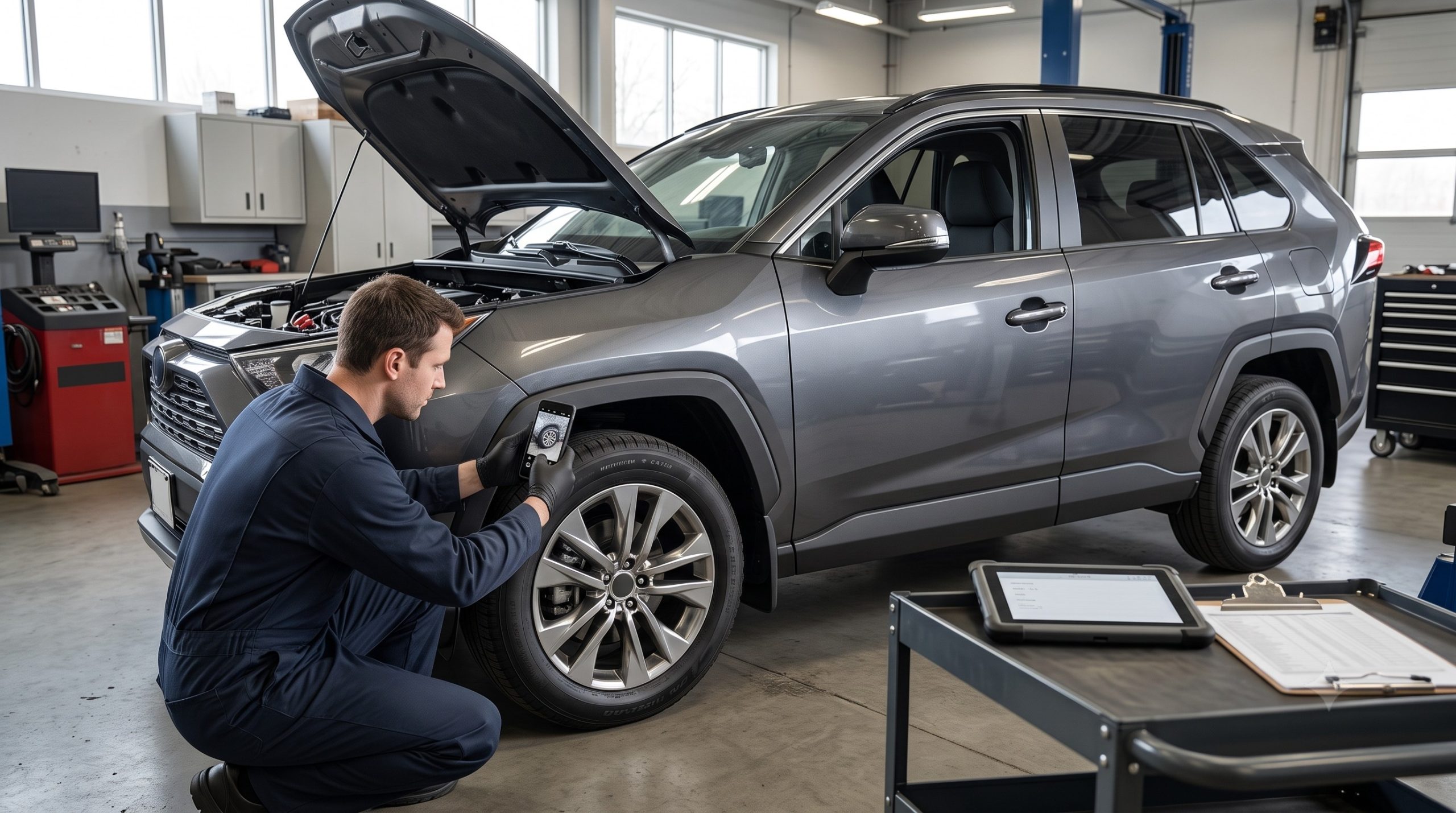
For a vehicle you are seriously considering, an independent pre-purchase inspection, often called a PPI, is one of the strongest checks you can make.
The inspector should be working for you, not simply repeating the seller’s description. Ask for a written report that identifies the exact vehicle by VIN and explains any limitations.
A thorough PPI may examine:
- body condition and evidence of previous repairs;
- tires and brakes;
- steering and suspension;
- engine and transmission;
- fluid leaks;
- undercarriage condition;
- electrical equipment;
- diagnostic trouble codes where a scan is included;
- road-test behavior where a road test is possible.
The exact scope varies by inspector and vehicle. Hybrids, electric vehicles, cameras, sensors, and driver-assistance systems may require additional checks.
For remote buyers
You do not necessarily need to be physically present. Depending on the vehicle’s location, you may be able to arrange a local mechanic or mobile inspection service and receive a digital report.
Remote inspection evidence
Useful supporting material can include:
- exterior photographs from several angles;
- close-up photographs of existing damage;
- dashboard photos with the vehicle running;
- underbody photos where safely possible;
- tire and engine-bay photos;
- diagnostic findings where a scan is included;
- written notes explaining problems;
- video of the engine starting and running where available.
More photographs are not automatically better. The material should answer specific questions about the exact vehicle.
For anyone buying a used car in the USA for export remotely, the report matters more than the number of photos. You want clear findings, visible evidence, and an explanation of anything the inspector could not check.
Review the Dealer’s Buyers Guide When Applicable
If you are purchasing from a U.S. dealer, ask for the Buyers Guide or other used-car disclosure that applies to the vehicle.
The document can help you understand how the dealer is presenting warranty coverage or an as-is sale, where applicable. It does not replace your history research or independent inspection.
Treat it as one more part of the purchase record and ask the dealer to explain anything that does not match the sales agreement or the vehicle’s condition.
Verify Ownership Documents for U.S. Export
A domestic buyer may focus mostly on condition and price. An export buyer must also understand whether the ownership documentation can support the U.S. export process.
For used self-propelled vehicles, U.S. Customs and Border Protection publishes motor-vehicle export document guidance. The required paperwork and timing can depend on the title situation, port, export method, and other circumstances, so confirm the current procedure for the planned shipment.
Title availability, title branding, lien status, and third-party ownership interests can affect what documents are needed. Investigate these issues before treating the purchase as complete, not after the vehicle is already waiting for shipment.
For broader document questions, review the ExportAutoUSA FAQ and confirm the current requirements for your particular transaction.
Check Destination Eligibility Before You Commit
A vehicle that can leave the United States is not automatically eligible for import or registration in every destination.
Before buying a used car in the USA for export, check the current rules of the country where the vehicle will be imported and registered.
Depending on the destination and vehicle, relevant questions may include:
- permitted vehicle age;
- title or damage-history restrictions;
- safety requirements;
- emissions requirements;
- steering configuration;
- required inspections;
- registration requirements.
These rules are country-specific and can change over time. Verify them with the relevant customs, transport, registration, or other competent authority rather than relying on a generic international vehicle guide.
Do this before purchase whenever possible. Changing the vehicle is usually easier than changing the destination’s import rules.
A Practical Remote-Buyer Checklist
Before approving a used U.S. vehicle, try to answer all of these questions:
- Do I have the correct VIN, and does it agree with the vehicle and available documents?
- Have I reviewed the title and available vehicle-history information?
- Do I understand any title brand, major history issue, or mileage inconsistency?
- Have I checked for open safety recalls?
- Have I reviewed available service and repair records?
- Has the exterior, underbody, and visible damage been inspected?
- Have the engine, transmission, brakes, suspension, tires, and electrical equipment been checked?
- Has the vehicle been road-tested when practical?
- Has an independent inspector checked the vehicle, or have I consciously accepted the risk of buying without one?
- Do I understand whether the title and lien situation can support U.S. export?
- Have I checked whether this exact vehicle can be imported and registered at the destination?
- Do the inspection findings match the seller’s description and the deal I am considering?
If several answers are still unknown, the vehicle is not fully evaluated yet.
Red Flags That Deserve More Investigation
One problem does not always mean you should reject a vehicle, but several unresolved problems should slow the purchase.
Pay particular attention when:
- the VIN is inconsistent;
- important ownership documents are unavailable;
- recorded history conflicts with the seller’s description;
- the seller will not allow an independent inspection;
- warning lights remain on;
- significant damage is visible but poorly explained;
- there are signs of water damage or major corrosion;
- mileage records do not make sense;
- the title or lien situation is unclear;
- the physical inspection tells a different story from the listing.
The safest response is not always to walk away immediately. It is to stop committing more money until you understand the problem.
The Inspection Is About Making a Better Decision
No inspection can promise that a used vehicle will never need repairs. The goal is to reduce avoidable uncertainty before you commit.
A good pre-purchase process replaces assumptions with evidence: is this the exact vehicle shown in the documents, what does its history show, what condition is it in now, what problems need attention, and can the ownership paperwork support export?
For an international buyer, those answers are more useful than attractive listing photos alone.
Before Buying a Used Car in the USA for Export
Before buying a used car in the USA for export, verify the vehicle’s identity, compare its records with its present condition, use an independent inspection when practical, confirm that the ownership paperwork can support export, and check destination eligibility.
If a key fact is still unknown, treat it as an open question rather than an assumption. A careful pause before purchase is much easier than solving a document or condition problem after the vehicle is already in transit.
Review the ExportAutoUSA FAQFrequently Asked Questions
No. A history report summarizes information that has been recorded about the vehicle’s past, while a pre-purchase inspection evaluates its current physical and mechanical condition. Use the two checks together. A clean-looking report cannot confirm how the car drives today, and an inspection cannot reveal every event that may exist in recorded history.
Yes, it is still worth considering. A dealer inspection can provide useful information, but an independent inspector is working for you and can focus on the questions that matter to your purchase. Ask for a written report tied to the VIN, and make sure any limitations, warning lights, visible damage, or recommended repairs are clearly explained.
A salvage title does not automatically answer whether a vehicle can be exported, imported, or registered. U.S. export documentation rules and destination-country eligibility are separate questions, and both can depend on the exact title and vehicle. Review current U.S. export requirements and confirm the destination’s import and registration rules before completing the purchase.
Arrange an independent mechanic or mobile inspection near the vehicle when practical. Ask for a written report that identifies the car by VIN, supporting photographs, and clear notes about anything the inspector could not test. A road test, cold start, underbody view, or diagnostic scan may not always be possible, so the report should state those limits.